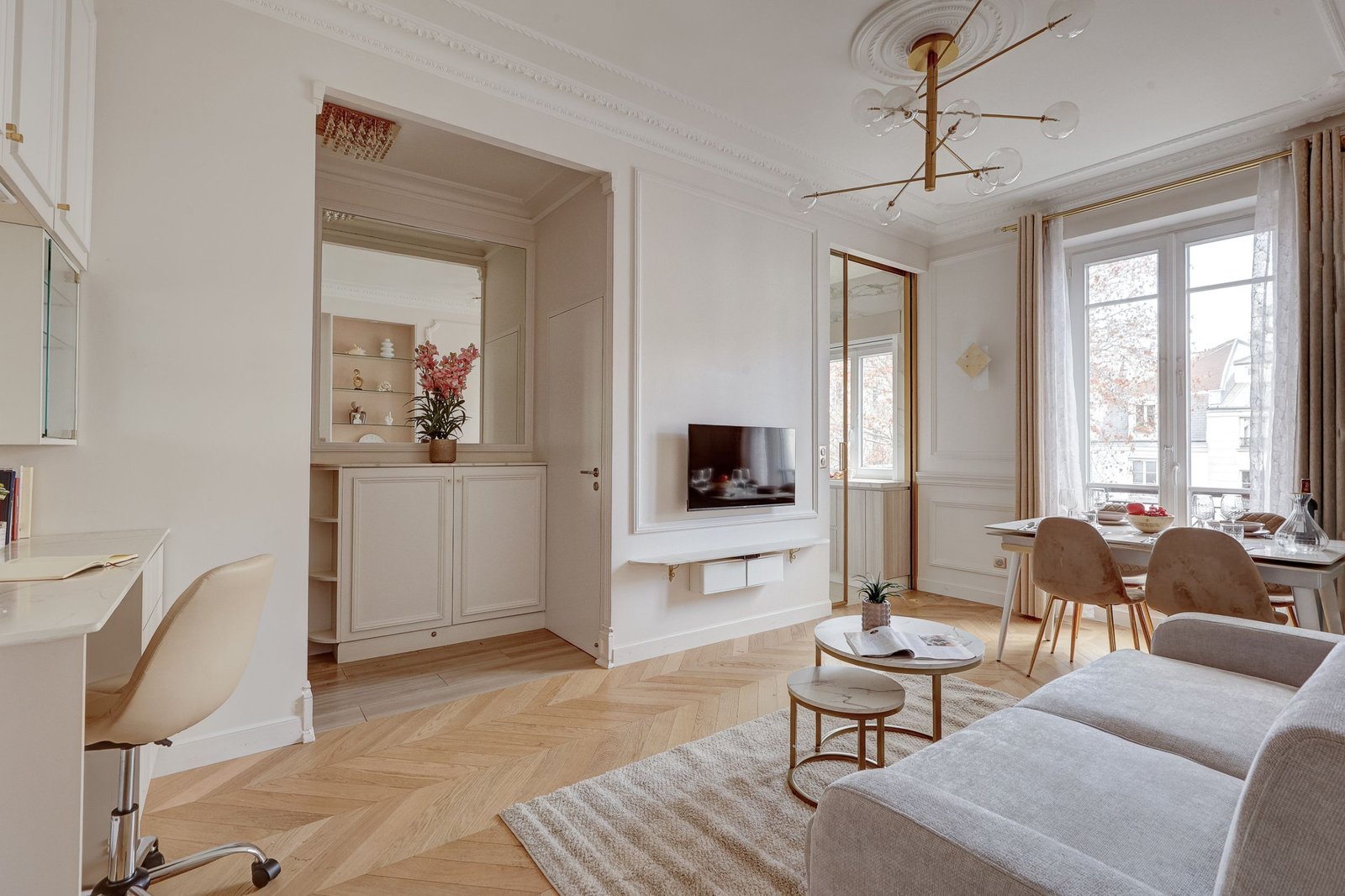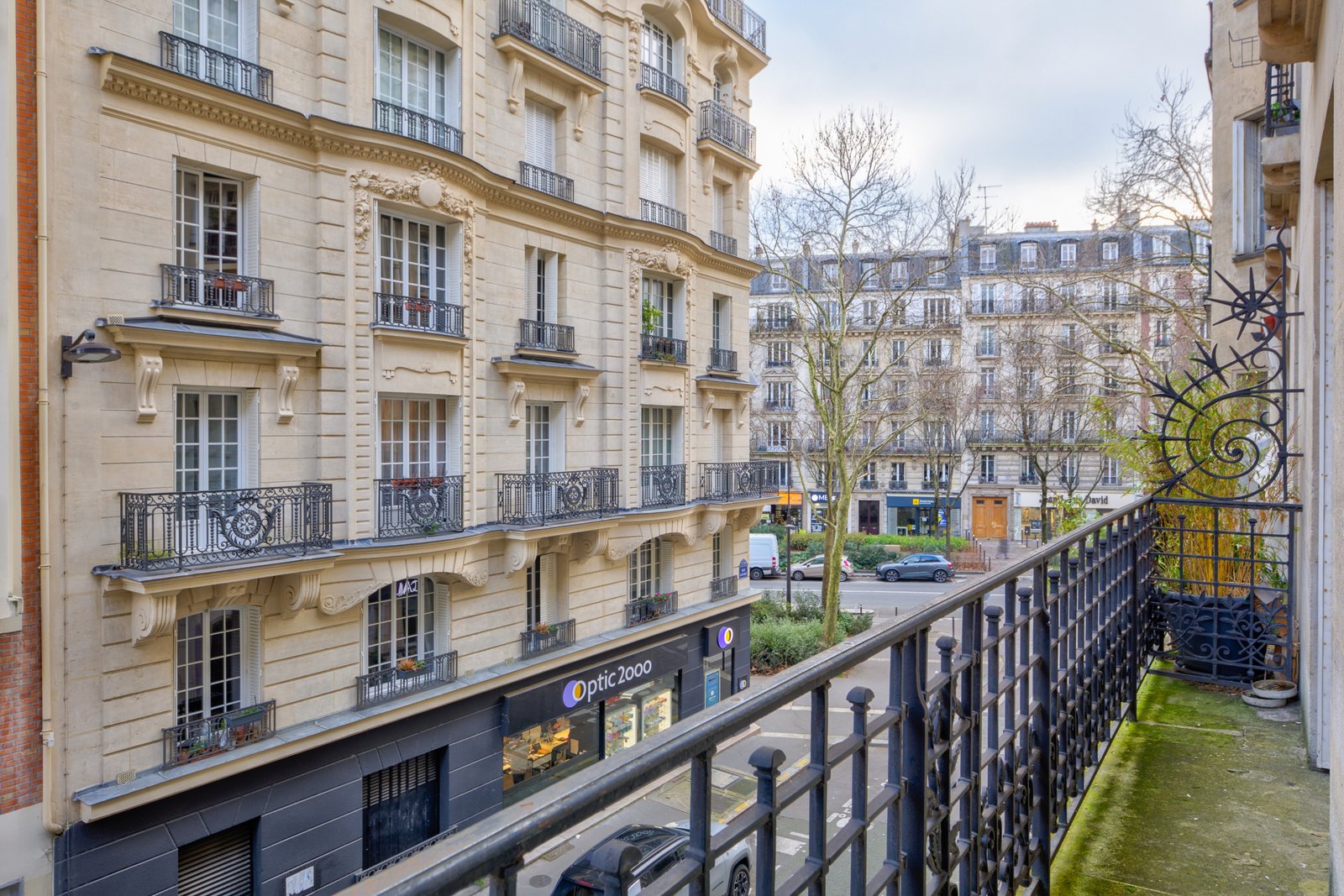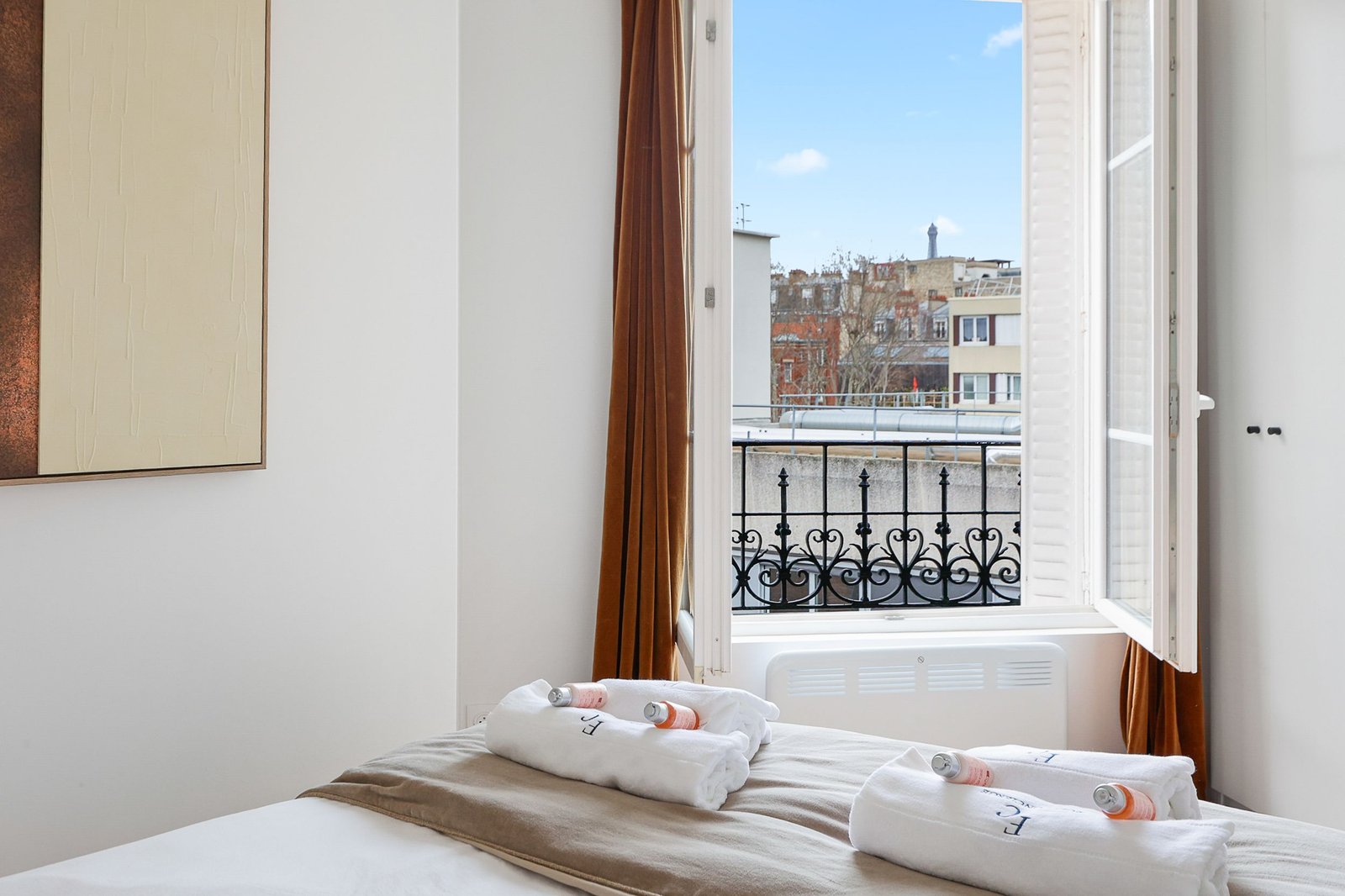
The taxation of short-term rentals changed significantly with the Le Meur law of 19 November 2024. Reduced allowances, lower thresholds, and a shift to the actual-cost regime for many hosts: here is what every owner of a furnished tourist rental in Paris needs to understand for their 2025 and 2026 income.
Short-term rental: which tax regime?
Short-term rental (Airbnb, Booking, Abritel…) falls under the furnished tourist accommodation status: a property let to a passing clientele for short stays, where the tenant does not establish their main residence. The rental income is taxed as Industrial and Commercial Profits (BIC), not as property income. Two regimes apply: micro-BIC (flat-rate) and the actual-cost regime.
What the Le Meur law changes
The law of 19 November 2024, nicknamed the "anti-Airbnb law", reduced the benefits of the micro-BIC regime for furnished tourist rentals. These changes apply from 2025 income, declared in spring 2026.
| Property type | Before the reform | Since the Le Meur law |
|---|---|---|
| Non-classified tourist rental | 50% allowance · €77,700 cap | Allowance 30% · cap €15,000 |
| Classified tourist rental (1 to 5 stars) | 71% allowance · €188,700 cap | Allowance 50% · cap €77,700 |
Above these caps, the actual-cost regime becomes mandatory. In practice, a non-classified rental generating more than €15,000 of income per year switches automatically to the actual-cost regime — a threshold quickly reached with a single well-located property in Paris.
Classified or not: a choice that is now fiscal
Star classification, once optional, has become a genuine fiscal shield. For €150 to €400 in inspection fees (by a Cofrac-accredited body, valid 5 years), you multiply your micro-BIC cap by five (from €15,000 to €77,700) and your allowance rises from 30% to 50%.
For a host with significant income, the annual tax saving from classification can exceed several thousand euros. It is now an economic decision before being a commercial one.
Micro-BIC or actual-cost: a worked example
Take a non-classified studio in Paris generating €20,000 in annual income.
| Regime | Calculation | Taxable base |
|---|---|---|
| Micro-BIC | €15,000 cap exceeded → not eligible | — |
| Actual-cost (mandatory) | Income − actual expenses − depreciation | Often close to €0 |
The actual-cost regime allows you to deduct real expenses (loan interest, property tax, platform commissions, management fees, insurance, accounting) and to depreciate the property. For an owner with a loan or high expenses, it often results in very low or even zero tax for several years.
Other obligations in Paris
- 120-night annual cap when renting out your main residence (some municipalities may lower it to 90).
- Mandatory town-hall declaration and a 13-digit registration number on every listing.
- Change-of-use authorisation required for a secondary residence let short-term in Paris, with possible compensation.
- Tourist tax collected on behalf of the City.
- CFE (business property tax) due from €5,000 of turnover.
Social contributions and resale
As a non-professional furnished lessor (LMNP), your income is subject to social levies (18.6%). If your short-term income exceeds €23,000/year, you move into self-employed social contributions. An important new point: since the reform, depreciation deducted is added back into the capital-gains calculation on resale — which can increase taxation on exit. The trade-off must therefore be considered over the long term.
⚠️ Have your figures checked by an accountant
Furnished-rental taxation evolves quickly and every situation is unique. The information above is provided for guidance only and does not constitute personalised tax advice. Before any decision, have your strategy confirmed by a chartered accountant specialised in furnished rentals.
Full Concierge optimises your rental in Paris
We manage 150+ apartments in Paris and the inner suburbs, and support you on every regulatory and operational dimension, alongside our accounting partners. Free estimate within 24h.